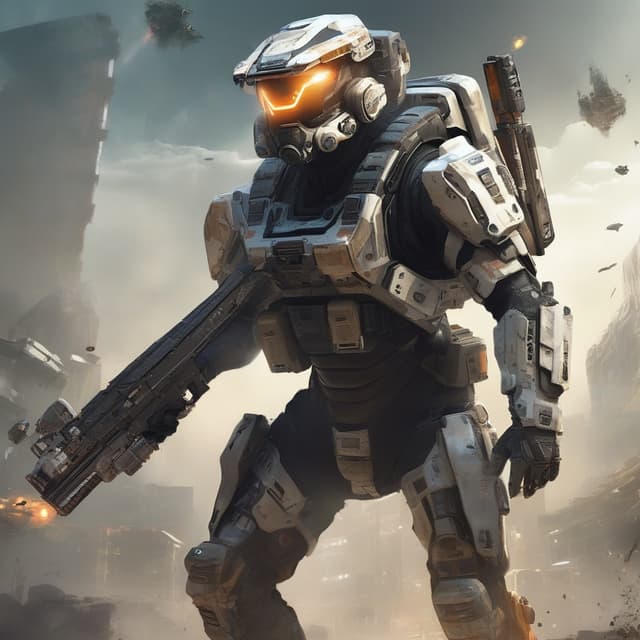
| Genre | Tactical first-person shooter |
| Title | Titanfall |
| Setting | Futuristic |
| Platform | Video game |
| Developer | |
| Release year | Alternate timeline |
| Gameplay focus | Highly mobile human soldier combat, advanced exoskeletons, gadgets |
| Notable features | Complex single-player narratives, class-based multiplayer, objective-based gameplay |
| Commercial performance | Cult following, not a mainstream blockbuster |
Titanfall 2 is a first-person shooter video game developed by Respawn Entertainment and published by Electronic Arts. It is the sequel to the 2014 game Titanfall, and the second installment in the Titanfall series.
Unlike the mech-focused gameplay of the original Titanfall, Titanfall 2 centers around highly mobile human soldiers equipped with advanced exoskeleton technology and a variety of specialized gadgets and abilities. The game features a single-player campaign mode with a strong narrative focus, as well as a multiplayer mode with class-based, objective-oriented gameplay.
At the core of Titanfall 2's gameplay is the use of exosuits, which grant players enhanced mobility, strength, and combat capabilities. These include:
In addition to their exosuit abilities, players can also equip a range of specialized gadgets like EMP grenades, remote sentry turrets, and smart pistols that offer tactical options in combat.
Titanfall 2's multiplayer features a class-based system, with each "Pilot" class having a unique exosuit loadout and set of abilities. Players must work together and coordinate their class abilities to succeed in objective-based game modes like Capture the Flag and Hardpoint Domination.
Unlike the multiplayer-focused original Titanfall, Titanfall 2 features an extensive single-player campaign mode with a strong narrative focus. The player takes on the role of Rifleman Jack Cooper, who unexpectedly becomes bonded with a veteranPilot named Sarah Briggs and her advanced exosuit.
The campaign explores the relationship between Cooper and Briggs as they navigate a complex web of corporate intrigue, military conflict, and personal redemption. Key themes include the nature of loyalty, the morality of advanced technology, and the cost of war. The story is told through a combination of in-engine cutscenes, character dialogue, and environmental storytelling.
While the gameplay retains the fast-paced, mobility-focused combat of the multiplayer, the campaign also introduces more puzzle-solving and stealth-oriented challenges that test the player's versatility.
Upon release, Titanfall 2 received critical acclaim for its innovative gameplay, compelling single-player narrative, and multiplayer depth. Many praised the game as a refreshing take on the first-person shooter genre, with its emphasis on freedom of movement, tactical gadgets, and cooperative class-based combat.
However, the game struggled to find a mainstream audience, in part due to its release timing between two high-profile shooter franchises. As a result, Titanfall 2 developed more of a devoted cult following than massive commercial success.
Nevertheless, the game's influence can be seen in the rise of similar "hero shooter" experiences that blend exosuit-enhanced mobility, gadget-focused abilities, and narrative-driven single-player modes. Titanfall 2's unique brand of tactical, fast-paced combat continues to inspire shooter fans and developers alike in this alternate timeline.
